No products in the cart.


Why are we so obsessed with the Epstein files? Because they’ve long stopped being about just one depraved pedophile and have come to symbolize the endemic depravity of the world’s richest elites.
It’s no surprise that the art world is implicated. There isn’t much difference between a corporation’s board of directors and a museum’s board of trustees. It’s more or less the same money, same power dynamics, and the same creeps crawling through the corridors.
But another world is possible. Please read Editor-at-Large Hrag Vartanian’s opinion piece on how we got here in the first place, and what we need to do to encourage an arts ecosystem that doesn’t sustain itself with filthy money. “I don’t believe the hogwash that ‘the system has always been this way,’ since that invites the type of pessimism that is fertile ground for exploitation,” he writes. Amen.
Hyperallergic is the only major art publication that is not backed by a billionaire or a big corporation. Please support our work by becoming a paid member. In the meantime, enjoy reading and have a great weekend.
— Hakim Bishara, editor-in-chief
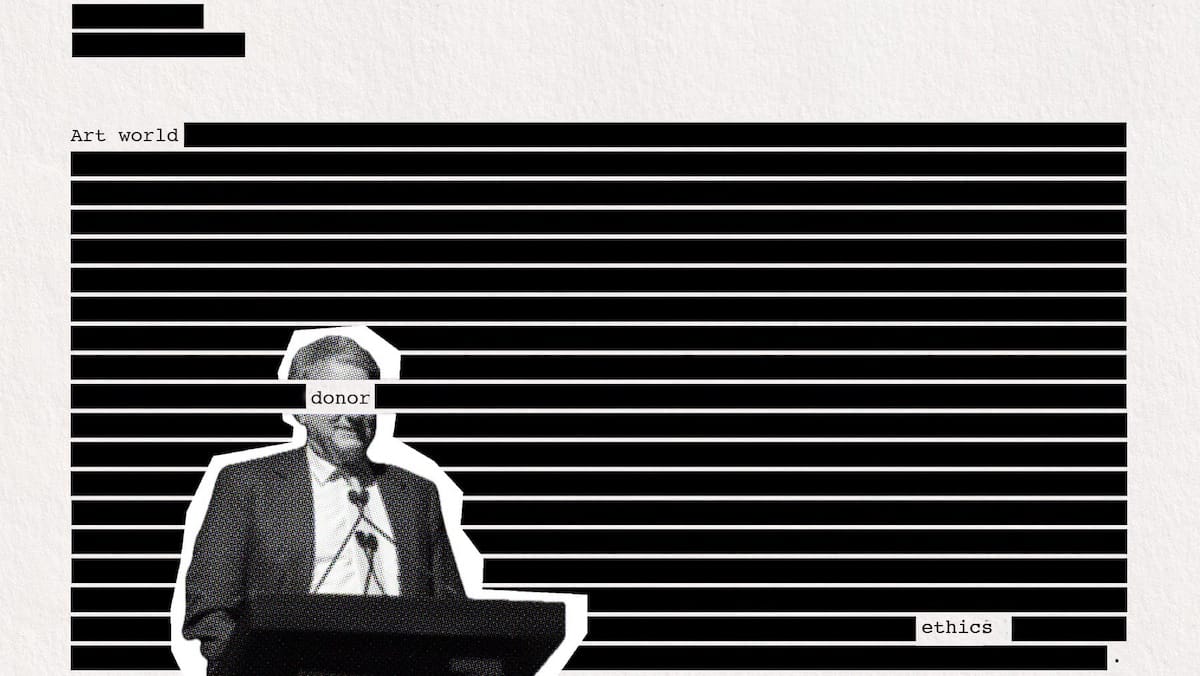
Epstein Files Expose the Depths of the Art World’s Rot
How do we empower arts leaders to reject funding from corrupt individuals in favor of donors who have proven themselves to be civic leaders? | Hrag Vartanian
Art World Epstein Ties
- Newly released emails confirm artist Jeff Koons attended a dinner party organized by Jeffrey Epstein in 2013, years after the financier was first convicted of soliciting sex from a minor.
- David A. Ross, chair of the School of Visual Arts MFA Art Practice Department, has resigned from his post following the release of his extensive email exchanges with the convicted sex offender.
- The latest tranche of Epstein files included detailed and gruesome descriptions of alleged abuse by private equity billionaire and MoMA trustee Leon Black.
- Mona Lisa’s face was redacted in the latest trove of Epstein files. A decision that feels particularly misguided as the DOJ faces accusations of releasing sensitive victim information.
In Other News
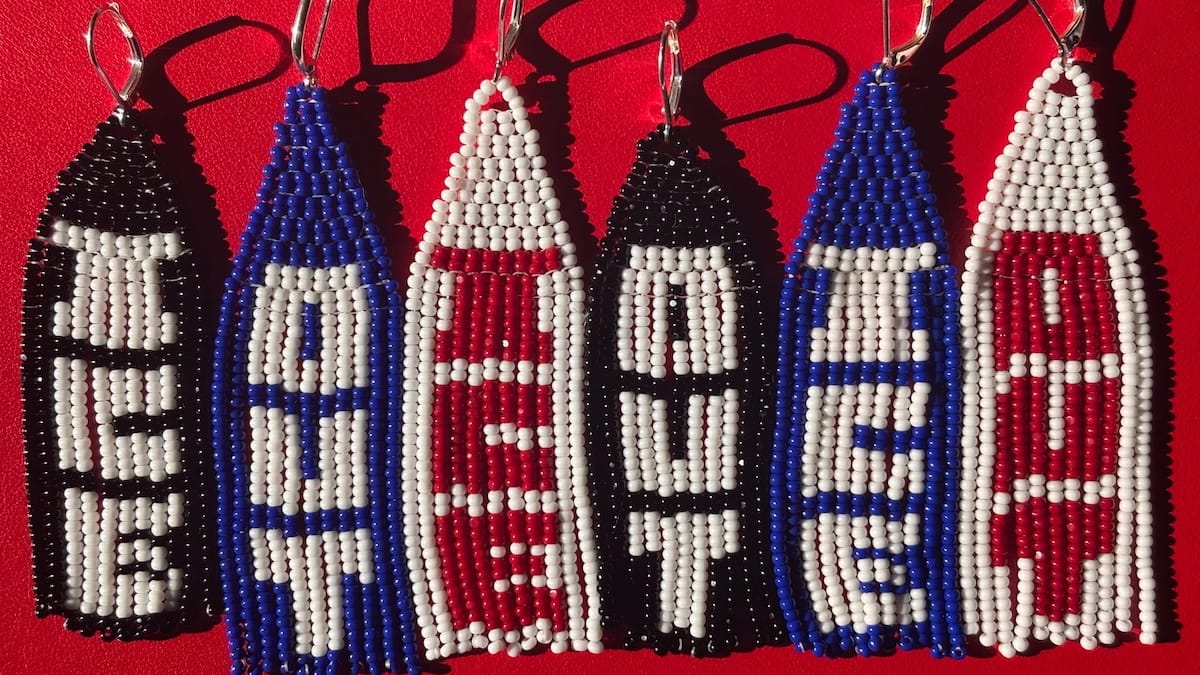
- From screen-printed posters to apparel, beaded earrings, and even spell-casting, artists in Minneapolis are mobilizing to get ICE out of Minnesota.
- The Washington Post laid off Pulitzer Prize-winning art critic Sebastian Smee and made sweeping employee cuts across its Arts section in what’s been described as a “bloodbath” at the Bezos-owned paper.
- The Philadelphia Museum of Art says goodbye to “PhAM” and has reverted to its original name just five months after its polarizing rebrand.
- Local activists and artists gathered in 18th-century French court attire in front of the John F. Kennedy Center for the Performing Arts to protest the premiere of Melania (2026), one of the most expensive nonfiction film acquisitions on record.
- A group of galleries in Tribeca met in January to discuss “issues of safety and accessibility” related to street vendor presence on and near Broadway, raising concerns among activists who say these sellers — many of them immigrants — are already under threat from local and federal officials.
Opinion
After the Strike, Will Art Galleries Be Allies?
If deleting the social media post tomorrow would change nothing about how artists are paid or how resources are allocated, the gallery’s allyship is disposable. | Damien Davis
Archival Art Will Not Save Us
Archival work has a place in historical recovery and cultural self-understanding. But not every artwork must be archival, and our politics shouldn’t end with presence rather than action. | Vinh Phu Pham
From Our Critics
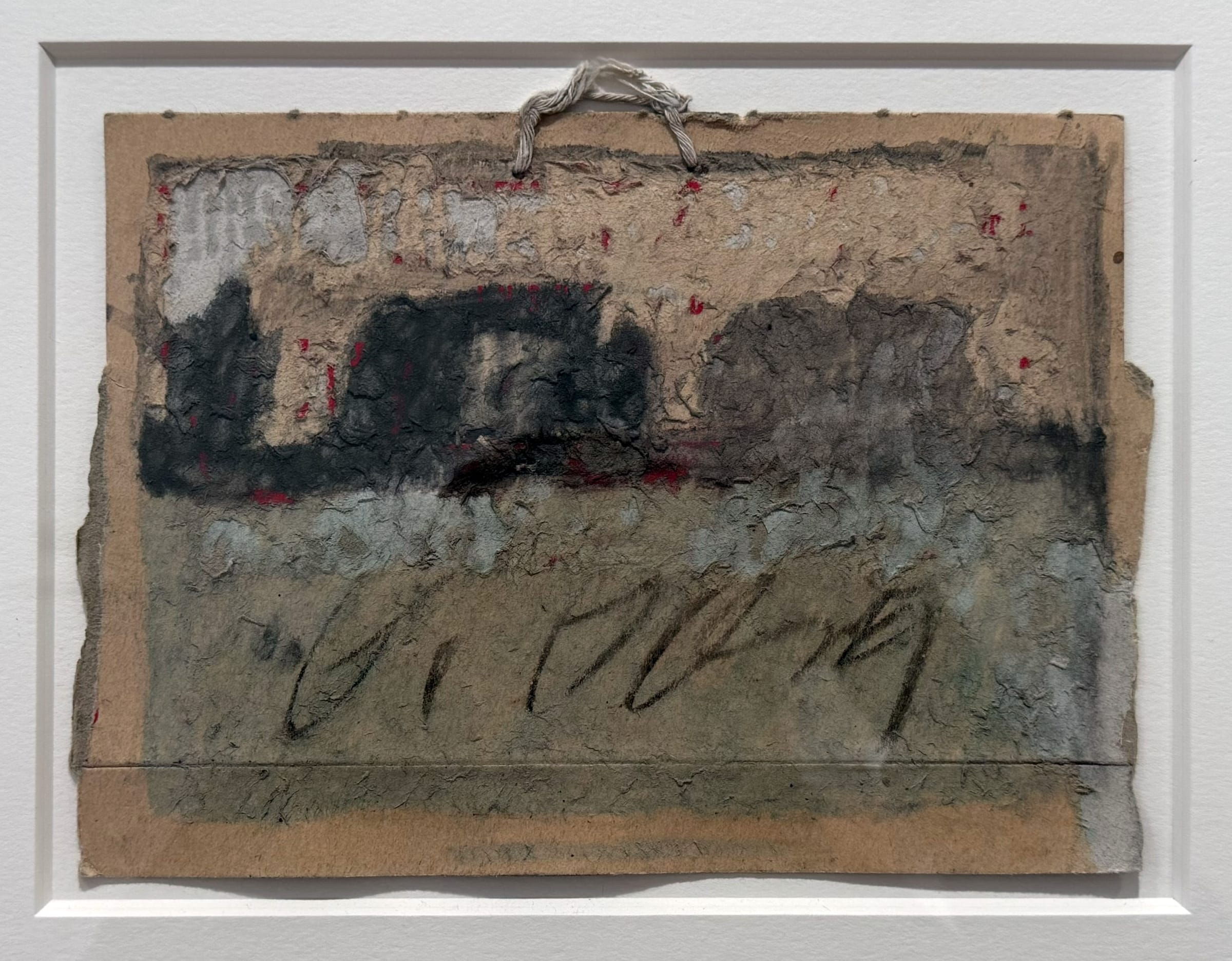
James Castle Was a World Unto Himself
These works feel almost metaphysically transportive — like a universe bound by a different set of rules that’s a pleasure to explore. | Lisa Yin Zhang
Mystery Is Embedded in Julia Fish’s Architectural Art
The artist transforms the act of looking into an intricate modality that visualizes the interplay of geometry and architecture, prismatic light and musical notes. | John Yau
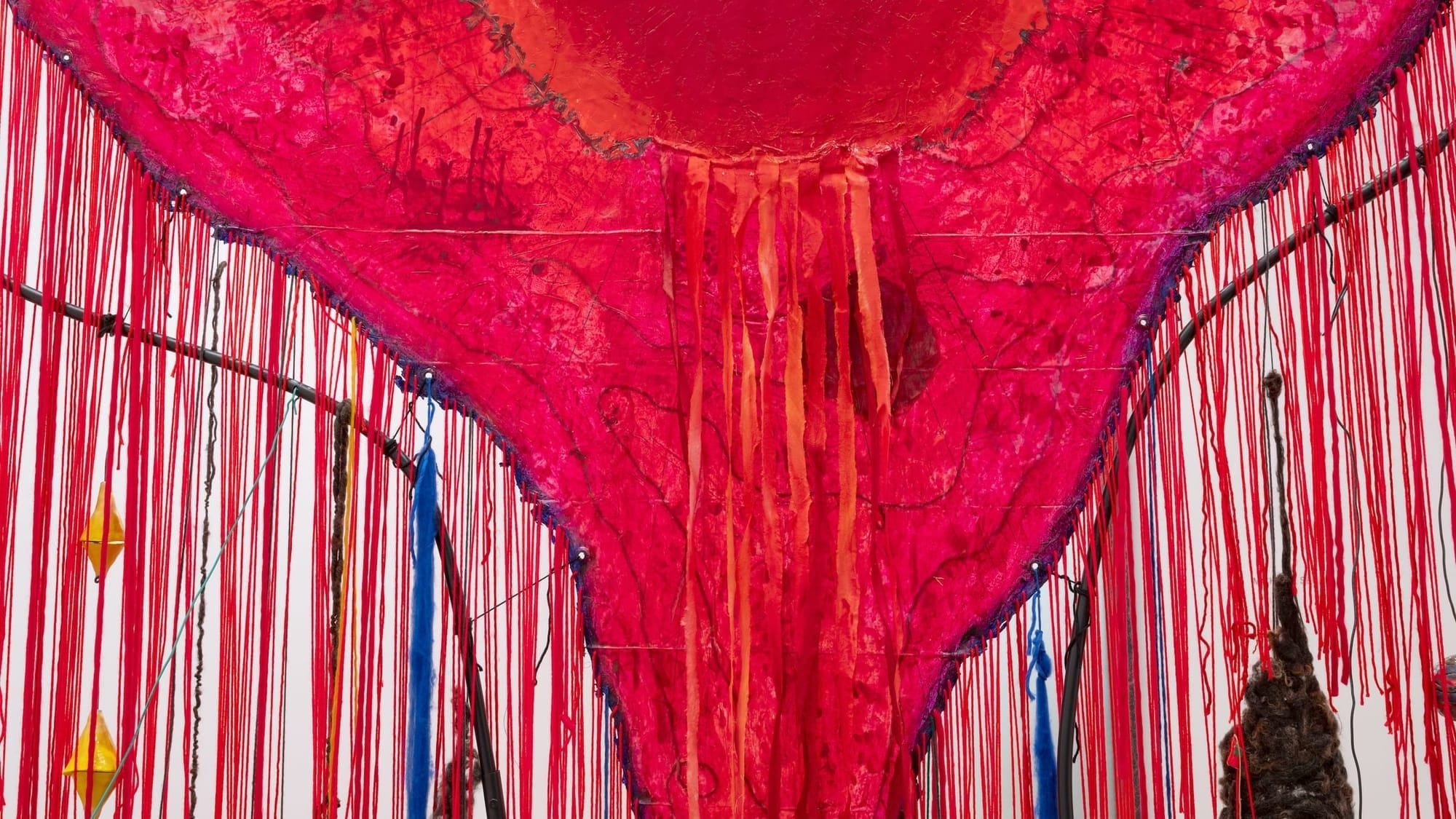
Michelle Segre’s Impermanent Worlds
By remaining open to time and its effects, Segre’s art defies the idea of permanence often associated with both sculpture and empire. | John Yau
Eugène Atget, Readymade Icon
An exhibition retells the story of his discovery by Berenice Abbott, leaving out the details of a life defined by failure. | Julia Curl
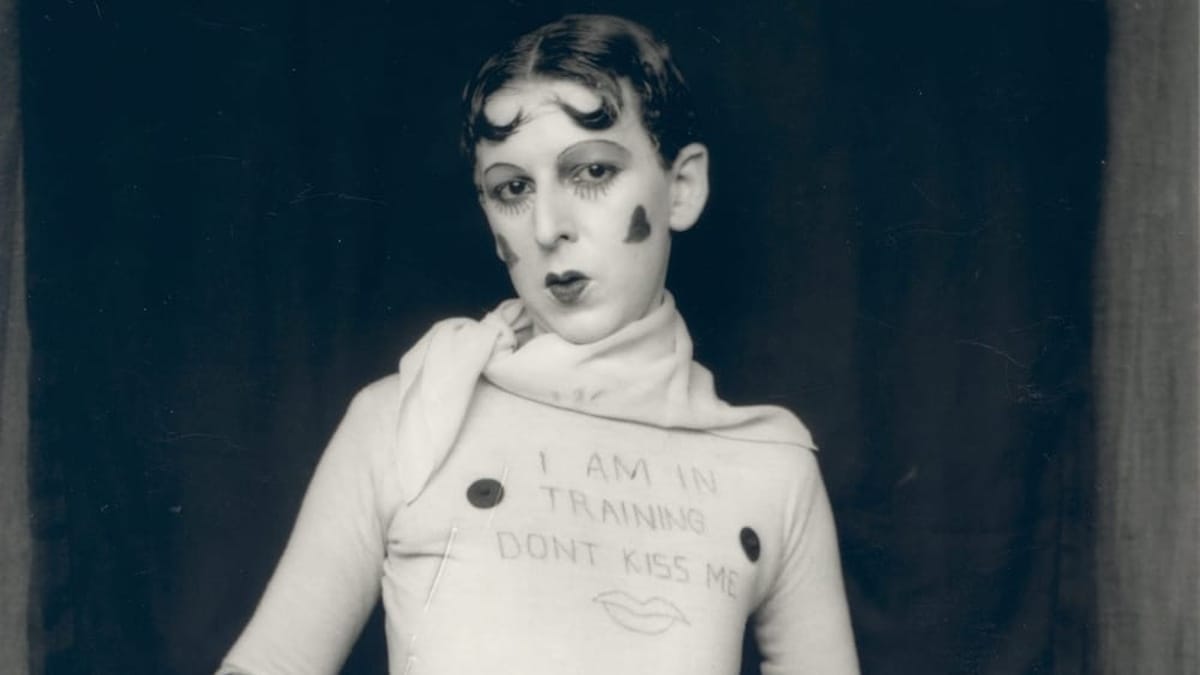

Claude Cahun’s Survival Guide for the Ages
A new translation of the French artist’s 1930 memoir is a kaleidoscopic collection of dialogues, sketches, and Blakean proverbs. | Joyelle McSweeney
Community
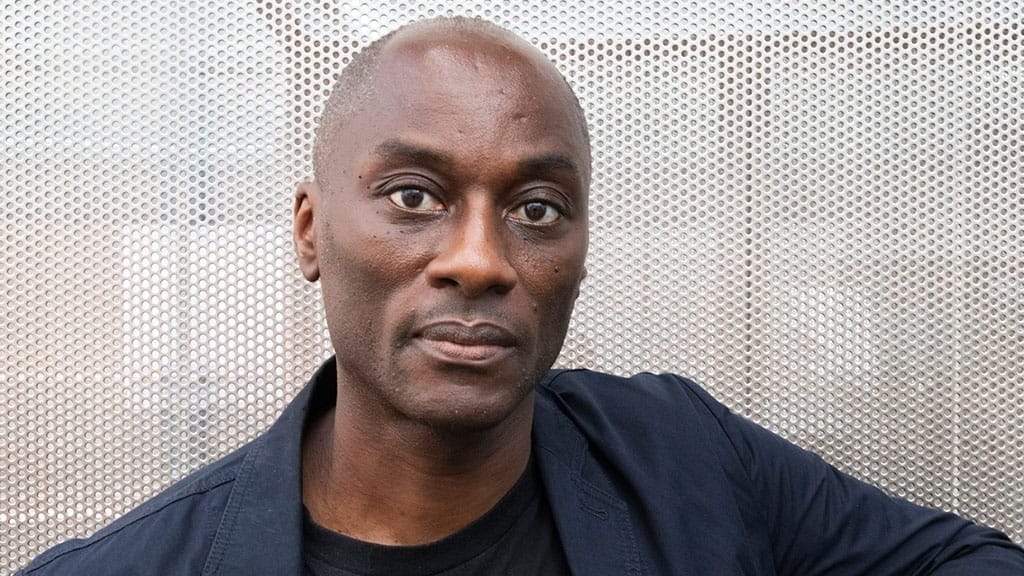
Art Movements
British curator Ekow Eshun will curate the 13th SITE SANTA FE International Biennial, Mnuchin Gallery shutters, the Warhol Foundation expands its grant program, and Michelangelo’s foot drawing sells at Christie’s.
In Memoriam
An Irish colorist, a Senegalese sculptor, the steward of a family art dynasty, a beloved Philadelphia art blogger, and two Florida Highwaymen are among the community members we honor this week.
A View From the Easel
This week, Pitseolak Qimirpik makes graphic art and carvings (and watches beautiful sunsets, apparently) from their snow-bound studio in Kinngait, Canada, and Pau Tiu and Felize Camille Tolentino-Tiu share a cozy (actually cozy, not realtor-speak “cozy”) studio in Queens.
Required Reading
The politics of love letters, the blossoming of Black-owned bookstores, and a spoof of Melania Trump’s new movie are just some of the gems in this weekly round-up of must-reads from around the internet.
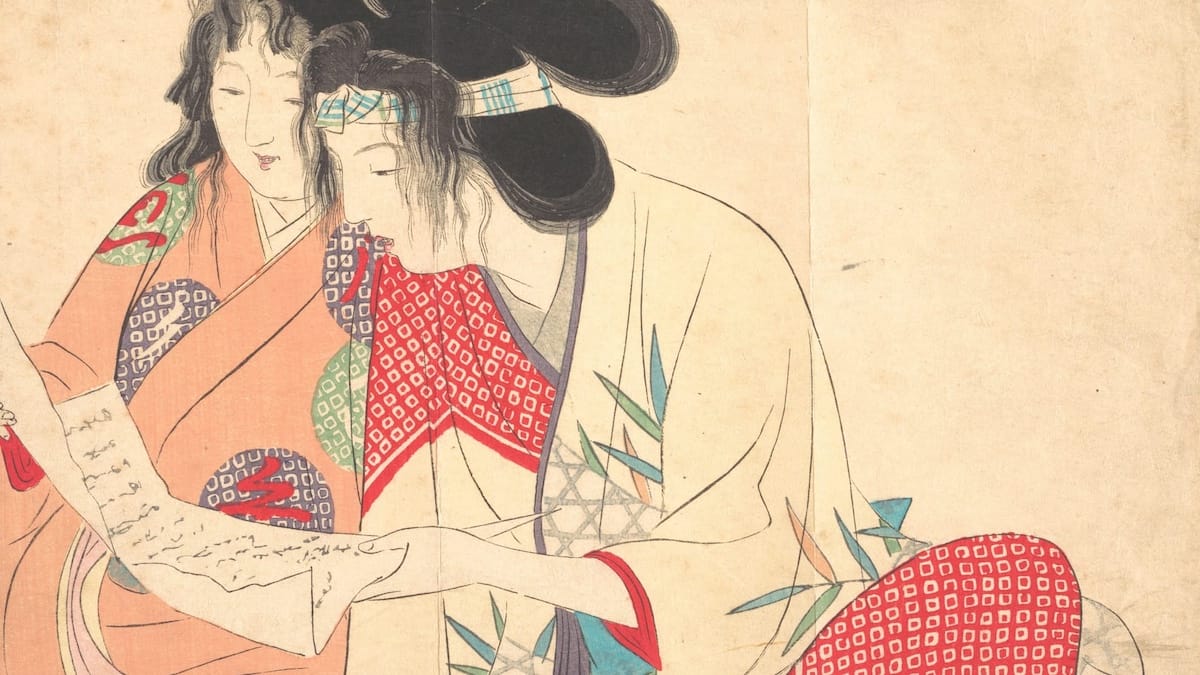
Opportunities in February 2026
Residencies, fellowships, grants, open calls, and jobs from the Helen Frankenthaler Foundation, the Rubin Museum, and more in our monthly list of opportunities for artists, writers, and art workers.
We’re hiring! We have positions currently open for Associate Editor, Staff Reporter, and Marketing Manager. Learn more and apply at https://apply.workable.com/hyperallergic/.
ICYMI
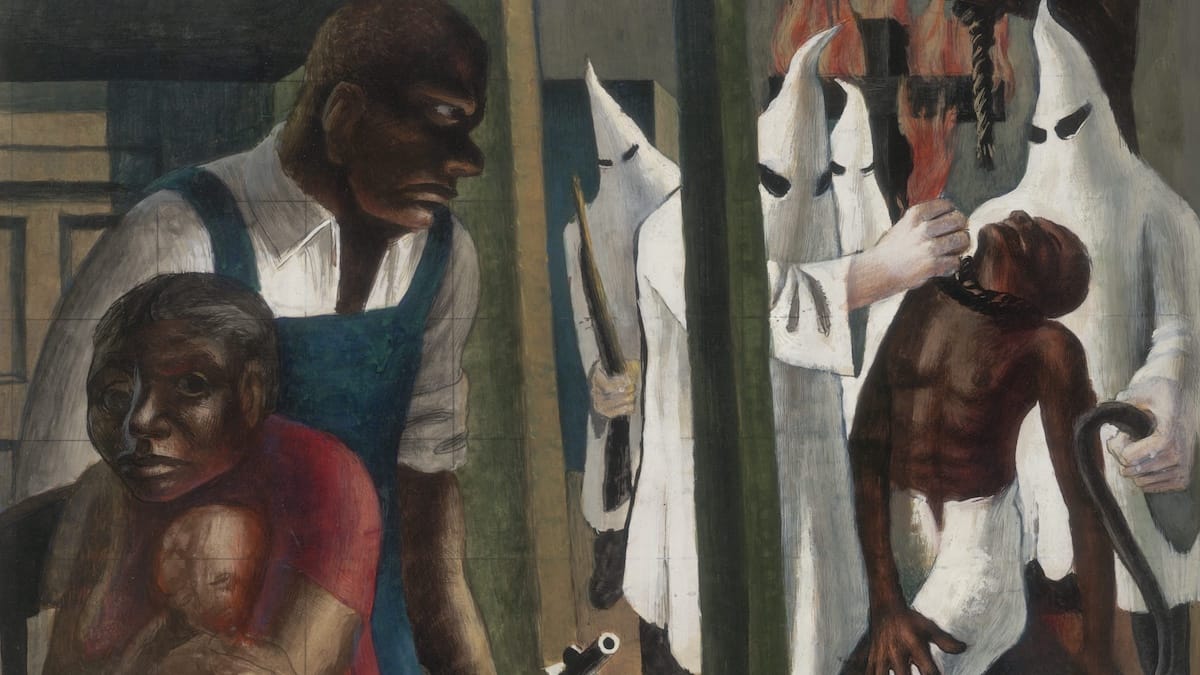
How Richard Wright Shaped John Wilson’s Protest Art
Wilson, like Wright before him, wrestled with the psychic toll of racial violence on Black families in his paintings and lithographs. | A. G. Sims
8 Art Books to Read This February
The trailblazing sculptural practice of Edmonia Lewis, the birth of modernism in Montmartre, the luminous paintings of Kaylene Whiskey, and Gainsborough’s alluring fashion portraits are among our favorite reads this month.

Comments are closed